





Scaffold register
A scaffold register, or scaffold inspection report, is used to record routine inspections of scaffolding. Among other things, it notes any defects or issues that could pose a health and safety hazard, along with any corrective actions that are taken.
According to the Work at Height Regulations, scaffolding should be inspected:
- Following installation and before the first use.
- At least every seven days thereafter.
- Following significant alteration.
- Following adverse weather or any event that is likely to affect its strength or stability.
It is the responsibility of the scaffold users to ensure that it has been inspected.
The individual who completes the inspection and fills in the register must be a competent person, i.e. a scaffolder or someone who has completed a scaffold inspection course. Tags (also known as scafftags) can be fixed to the scaffold with the details of the last inspection.
Typical scaffold registers might contain the following information:
- Company name and address.
- Site address.
- Location and description of scaffold inspected.
- Date and time of inspection.
- Issues that could pose any health and safety risks.
- Details of any action taken at the time of the inspection.
- Details of any further action considered necessary.
- Name and role of inspector.
- Inspectors signature.
[edit] Related articles on Designing Buildings
Featured articles
Check out some of the best features and news from Designing Buildings as well as key stories from around the web.
Building Safety Regulator, 19 August

Gill Kernick appointed Independent Chair of Residents’ Panel.
Connecting knowledge, technology and conservation
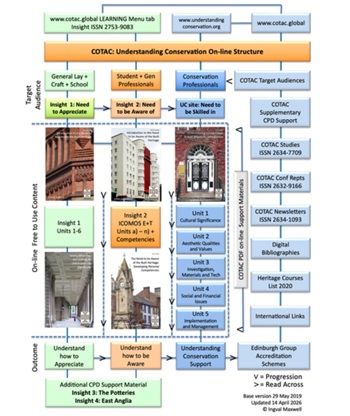
Building competence for the future of built heritage.
Building Regulations and Building Safety Act

CIOB publishes free advice for non-domestic clients.

Building Safety Newsletter from MHCLG.

An extraordinary record of steel engineering worldwide.

Households living near new pylons to save on bills.

ECA warns growth must not outpace grid capacity or skills.
The role of the client and decision making

CIOB response to built environment professions call for evidence.
Construction's sustainability reporting revolution
Tracking upfront embodied carbon with digital tools.
ECA welcomes procurement reforms

Public spending must back British jobs and skills.
Campaigning for Edinburgh: the Cockburn Association 1875-2049

The role of the civic voice in protecting character. Book review.

CIOB photography competition is open for entries.